



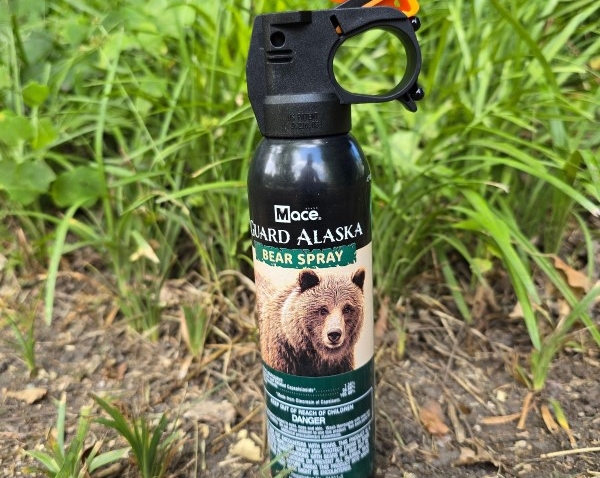
Does Pepper Spray Work on Bears: Bear Species Analysis
Introduction: Understanding Bear Safety
As nature enthusiasts venture outdoors, encounters with wildlife become increasingly commonplace. Among these encounters, bears often provoke significant concern. A critical question arises: “Does pepper spray work on bears?” This inquiry reflects the desire to understand how to protect oneself effectively during unexpected bear encounters. Bears are powerful animals, and addressing safety concerns, particularly regarding exposed electrical outlets, is essential for any outdoor enthusiast.
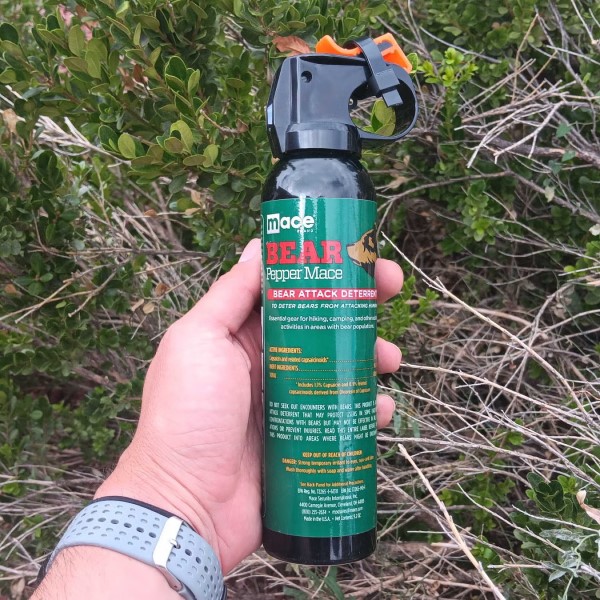
This article will explore the effectiveness of pepper spray against different bear species, compare it with bear-specific deterrents, and provide insights into safe practices for managing potential bear encounters. This comprehensive guide aims to equip readers with the knowledge and strategies necessary for safely enjoying the great outdoors.
The Nature of Pepper Spray
1. What is Pepper Spray?
Pepper spray is a commonly used self-defense tool. Typically, it contains oleoresin capsicum, a natural irritant derived from hot peppers. This compound functions by causing intense irritation to the eyes, skin, and respiratory system. While it proves effective against human threats, its utility against bears remains a matter of debate.
2. How Pepper Spray Works
When sprayed, pepper spray delivers a fine mist designed to quickly incapacitate the target. The active ingredient causes a burning sensation in the eyes, leads to choking and coughing, and induces temporary disorientation. For humans, this can provide a crucial moment to escape. However, as the question of “does pepper spray work on bears” implies, we must evaluate whether similar effectiveness exists against wildlife.
3. Limitations of Pepper Spray
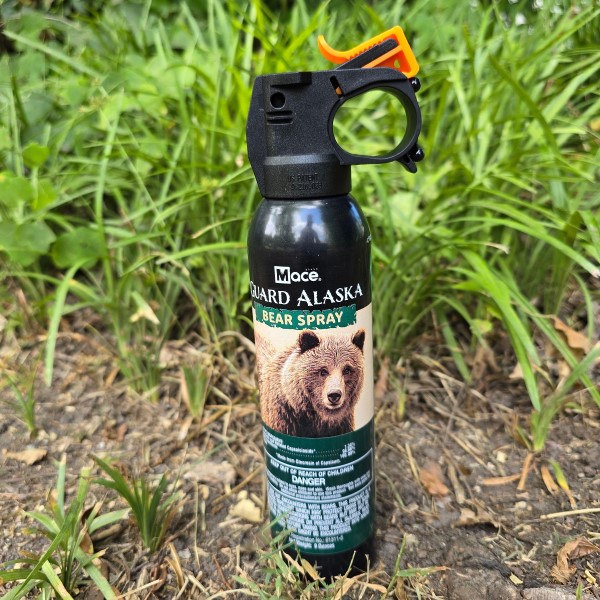
One notable limitation of traditional pepper spray is its range and effectiveness against larger mammals. The spray may not reach its intended target effectively if used incorrectly. Factors such as wind direction and distance can also impact its deployment, making many outdoor enthusiasts consider specialized bear deterrents.
Bear Species and Their Behavior
1. Understanding Bear Species
Several bear species inhabit various regions worldwide, including black bears, brown bears (grizzlies), and polar bears. Each species exhibits different behaviors, aggression levels, and responses to human encounters. It is imperative to recognize these differences when discussing safety and deterrents for bears.
2. Black Bears
Black bears are generally considered less aggressive than brown bears, but they can still pose a significant threat when startled or when protecting their cubs. Understanding their behavior, including signs of agitation or defensiveness, is essential for maintaining safety during outdoor activities.
3. Brown Bears
Brown bears, particularly grizzly bears, are larger and tend to be more aggressive, especially when surprised or defending their territory. During an encounter, they may exhibit panic-triggered behaviors, such as bluff charges. Recognizing these cues can help outdoor enthusiasts react appropriately to minimize risk and avoid escalation.
4. Polar Bears
Species Overview
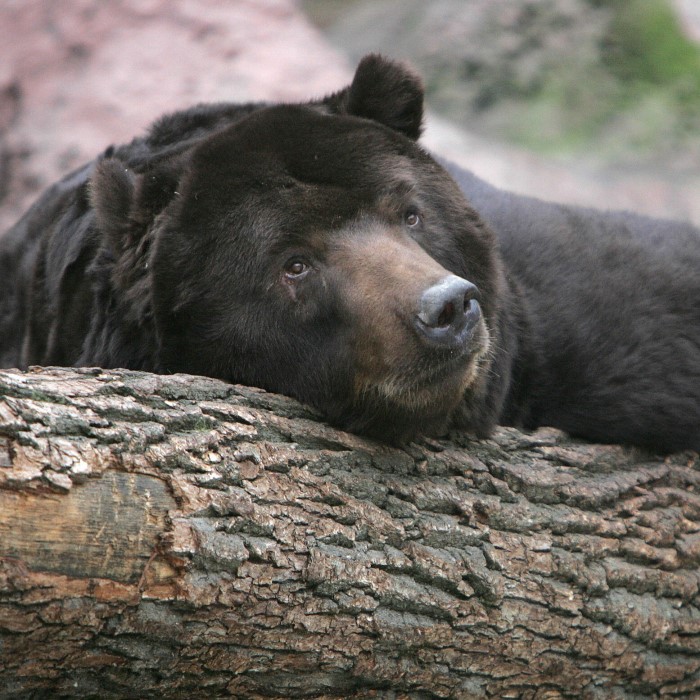
Polar bears are recognized as the largest species of bears, making them one of the most impressive terrestrial carnivores. They are primarily adapted to life in the Arctic environment, characterized by their thick fur and a layer of blubber that insulates them against freezing temperatures.
Habitat and Distribution
These majestic creatures are found throughout the Arctic region, inhabiting sea ice, coastal areas, and some land masses. Their range includes parts of Canada, Alaska, Greenland, Norway, and Russia, where they often travel large distances in search of food.
Behavior and Encounters with Humans
Unlike black bears and brown bears, which may have more frequent interactions with humans, polar bears are generally more isolated in their natural habitats. However, when encounters do occur, they can be unpredictable and potentially dangerous due to their size and strength.
Understanding Risks
Polar bears are known to be powerful hunters and can perceive humans as either a threat or prey. It is crucial to recognize that they can be aggressive if they feel provoked or cornered, which requires those who venture into their territory to exercise caution.
Educational Initiatives
Education plays a vital role in ensuring safety for travelers in polar bear habitats. Understanding their behavior—such as their hunting patterns, cub-rearing practices, and body language—can equip individuals with the knowledge needed to avoid dangerous situations.
Safety Precautions
Travelers to Arctic regions should be well-informed about safety precautions, including traveling in groups, securing food sources, and knowing what to do in the event of a bear encounter. Being prepared and educated can significantly reduce the risks associated with these magnificent animals.
The Effectiveness of Pepper Spray Against Bears
1. Comparing Pepper Spray and Bear Spray
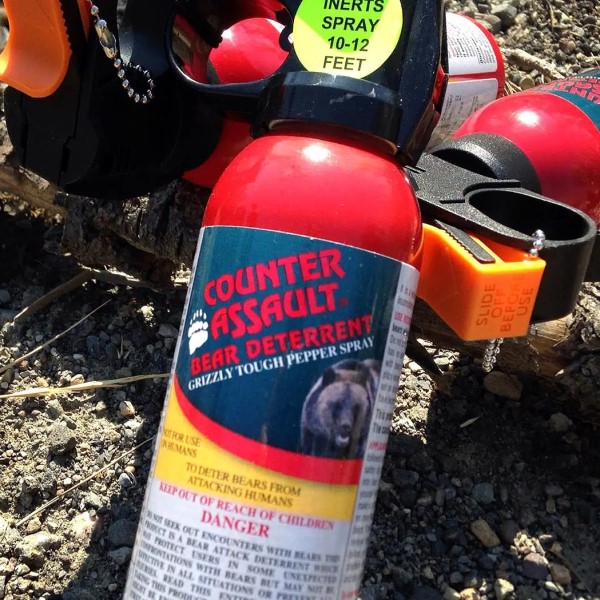
A critical aspect of understanding bear defense is recognizing the differing effectiveness of various deterrents. So, “Which is stronger, bear spray or pepper spray?” Bear spray is specifically formulated for large mammals and contains a higher concentration of capsaicin, the active component that induces irritation. It is designed to provide more effective protection than traditional pepper spray.
2. Research on Effectiveness
Research indicates that traditional pepper spray may not be as effective against bears compared to bear spray. Studies suggest that bear spray is formulated to create a larger, more dispersible cloud that can rapidly incapacitate a bear by targeting its eyes, nose, and respiratory system. The higher volume and concentration increase the efficacy of bear spray in critical situations.
3. Situational Considerations
Ultimately, it is essential to recognize that no deterrent is foolproof. Individual bear behavior can vary, and external factors also impact a bear’s response. Situational awareness, understanding bear behavior, and preparedness are crucial elements for safely navigating outdoor environments where bears reside.
Recommendations for Bear Deterrents
1. Best Practices for Bear Safety
To enhance safety when enjoying the outdoors, individuals must adopt risk-reduction practices. Understanding bear behavior is vital, as is carrying the appropriate deterrents for protection. Here are several recommendations for outdoor safety related to bear encounters:
2. Choose Bear Spray Over Traditional Pepper Spray
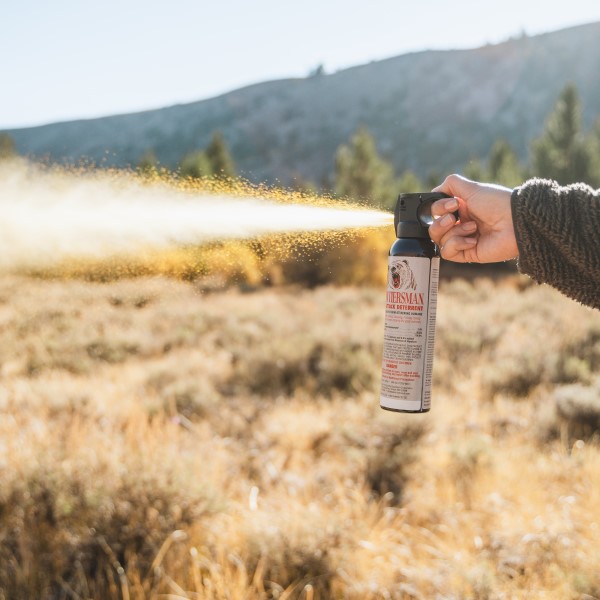
When heading into bear territory, it is critical to opt for bear spray instead of traditional pepper spray. Bear spray is specifically formulated to deter large animals effectively. Its composition and delivery mechanism are designed to increase the chances of successful deployment during heightened encounters.
3. Keep Bear Spray Accessible
Ensure that bear spray is easily accessible while engaging in outdoor activities. Store it in an outer pocket or utilize a chest harness, facilitating quick access during a potential bear encounter. Seconds can make a difference, so maintaining a strategic position for bear spray can enhance your safety.
4. Make Noise to Deter Bears
In addition to carrying bear spray, making consistent noise while hiking in bear territory can help deter bears from approaching. Talking, singing, or even using bear bells may alert wildlife to your presence and reduce the likelihood of surprising a bear.
5. Store Food Properly
When camping in bear country, it is essential to store food safely and securely. Use bear-proof containers, hanging bags, or lockers to prevent attracting bears. Keeping a clean and scent-free campsite reduces the risk of attracting bears into your area, minimizing danger to both you and the bears.
Additional Bear Safety Measures
1. Recognizing Bear Signs
When traveling in bear habitats, look for signs of bear activity. Tracks, paw prints, and droppings can offer insight into bear presence in the area. Avoid hiking alone in regions with high bear activity for added safety.
2. Utilize Bear Canisters
Consider using bear-resistant canisters for any food or toiletries when camping in bear territory. These specialized containers are engineered to withstand bear attempts to access and can significantly reduce the chances of attracting a bear to your campsite.
3. Group Hiking
When possible, hike in groups. Bears are less likely to approach larger groups of people. Increased noise associated with a larger group can help keep bears at bay and minimize the risk of unexpected encounters.
4. Report Sightings
If you encounter bears during your outdoor adventure, report any sightings to park rangers or local wildlife officials. This information can help keep other visitors safe and may inform wildlife management practices in the area.
FAQ
Can I use pepper spray on bears?
While you technically can use pepper spray on bears, it is not advisable. Traditional pepper spray is not specifically designed for large mammals and may not provide effective deterrence. Bear spray offers superior protection and is recommended for encounters with bears.
Which is stronger, bear spray or pepper spray?
Bear spray is stronger than traditional pepper spray. It contains a higher concentration of capsaicin, designed specifically for repelling large animals. Its larger spray pattern ensures a higher likelihood of success when deterring a bear.
What is the most effective bear deterrent?
The most effective bear deterrent is bear spray. Formulated specifically for use against bears, it has a proven track record of being effective at deterring aggressive bears and is the best choice for outdoor enthusiasts in bear territory.
Conclusion: Prioritizing Safety in Bear Country
In conclusion, the question, “Does pepper spray work on bears?” highlights the necessity of understanding effective bear deterrents. While pepper spray may offer some level of protection against human threats, it falls short in effectively deterring bears. Instead, bear spray is specifically formulated to meet the unique challenges posed by encounters with these powerful animals.
Understanding bear species and their behavior is essential for outdoor safety. Knowing how to respond to different species can help individuals prepare adequately. By carrying the right tools and knowledge and practicing safe outdoor behaviors, individuals can enhance their safety in areas inhabited by bears.
Prioritizing appropriate bear deterrents, such as bear spray, will allow outdoor enthusiasts to enjoy the beauty of nature while minimizing risks. By adequately equipping themselves with knowledge and the right products, individuals can safely explore bear territory with confidence. Whether hiking, camping, or fishing, being prepared is key to enjoying unforgettable experiences amidst nature while prioritizing safety.








Leave a Reply