



Create Your Own Defense: How to Make Pepper Spray Safely
Introduction
In today’s world, personal safety is a growing concern for many individuals. With increasing awareness of self-defense strategies, many people are turning to alternatives like how to make pepper spray at home. This DIY approach provides an accessible solution for those seeking a reliable self-defense tool. In this article, we will explore what ingredients are needed, how to safely create your own pepper spray, and essential tips to keep in mind during the process. Whether you’re interested in self-defense or simply looking for a practical solution for personal safety, this guide will help you learn how to make pepper spray effectively.
Understanding Pepper Spray
What Is Pepper Spray?
- Definition: Pepper spray is a type of self-defense spray that contains a chemical compound derived from hot peppers, typically capsaicin. This compound causes a burning sensation in the eyes and throat, incapacitating potential attackers.
- Common Uses: Many people use pepper spray for personal safety. It is often carried by individuals who want a non-lethal method for self-defense. Law enforcement also frequently utilizes pepper spray for subduing aggressive individuals.
Benefits of Homemade Pepper Spray
- Cost-Effective: Purchasing commercially manufactured pepper spray can be expensive. Learning how to make pepper spray at home can save you money while providing a functional alternative.
- Control Over Ingredients: Making your own pepper spray allows for complete control over the ingredients used. This ensures that you know exactly what is going into the spray, which can be particularly important for those with allergies or sensitivities.
- Empowerment: Making your own self-defense tools empowers you to take charge of your safety. Knowing how to create your pepper spray can provide additional confidence in your ability to protect yourself when necessary.
Ingredients Needed for Pepper Spray
Common Ingredients
When learning how to make pepper spray, several key ingredients are commonly used:
- Hot Peppers: The primary ingredient is hot peppers, typically either cayenne or habanero peppers. These are chosen for their high capsaicin content, which provides the desired intensity.
- Vinegar or Alcohol: A solvent such as vinegar or high-proof alcohol is essential to extract the capsaicin from the peppers. Vinegar is also a preservative that helps prolong the effectiveness of the solution.
- Water: Water is typically mixed with vinegar or alcohol to dilute the solution. This makes the spray easier to apply while maintaining its effectiveness.
Optional Ingredients
- Essential Oils: Some recipes include essential oils, such as peppermint or eucalyptus, which can provide additional benefits like a calming scent or further irritation to the eyes of an attacker.
- Dish Soap: A small amount of dish soap can be included to help emulsify the ingredients, ensuring that they mix well and do not separate over time.
- Container for Storage: A spray bottle is needed for application. Make sure to choose a container that can withstand the contents. A bottle with a secure nozzle will allow for accurate application when in use.
Step-by-Step Guide: How to Make Pepper Spray
Prepare Your Ingredients
- Gather Materials: Start by gathering all necessary ingredients and equipment, including hot peppers, vinegar or alcohol, water, and a spray bottle.
- Wear Protective Gear: Before you begin, wear protective gloves and goggles to avoid irritating your skin and eyes with pepper juices. Hot peppers can cause burning sensations, so take precautions.
Extract Capsaicin
- Chop the Peppers: Remove the stems from the hot peppers. Chop them into small pieces to increase surface area and improve extraction effectiveness. The finer you chop, the better the extraction.
- Combine with Solvent: In a container, combine the chopped peppers with vinegar or alcohol. If using vinegar, you may want to use a ratio of 2:1 (two parts vinegar to one part water) to ensure potency.
- Allow to Steep: Cover the mixture and let it steep for 24 to 48 hours. This time allows the capsaicin to leach into the liquid effectively.
Strain and Dilute
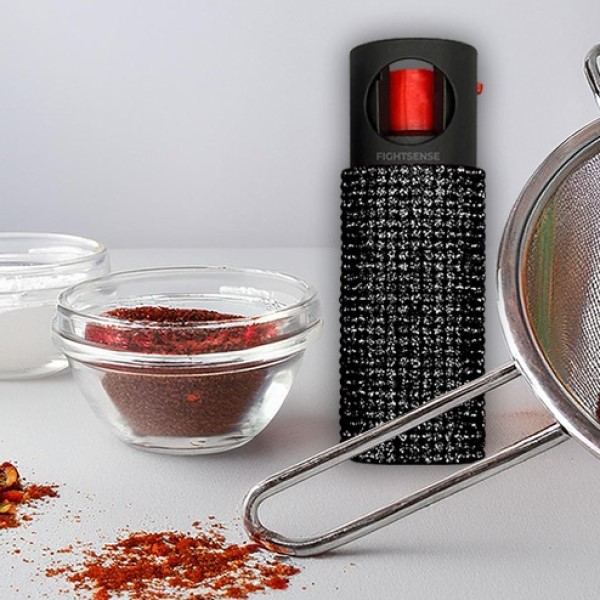
- Strain the Mixture: After steeping, strain the liquid through a fine mesh sieve or cheesecloth into a clean container. This process removes solid particles, leaving you with a potent pepper extract.
- Dilute the Solution: Depending on your preference, dilute the strain extract with water or additional vinegar to achieve a balanced strength. It’s crucial to test the solution’s potency before finalizing it.
Bottle It Up
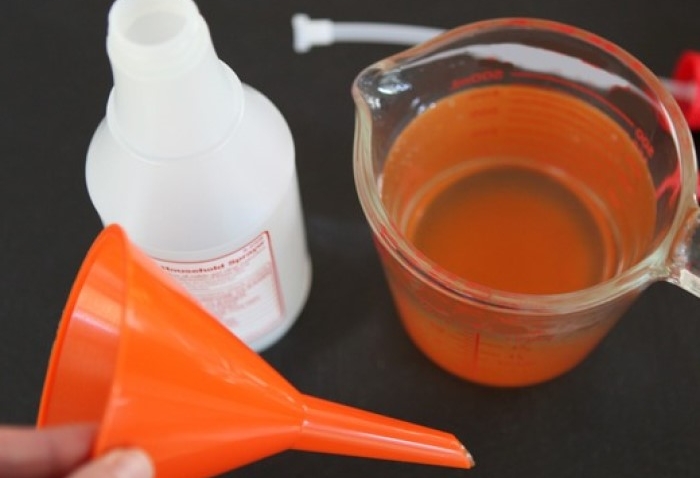
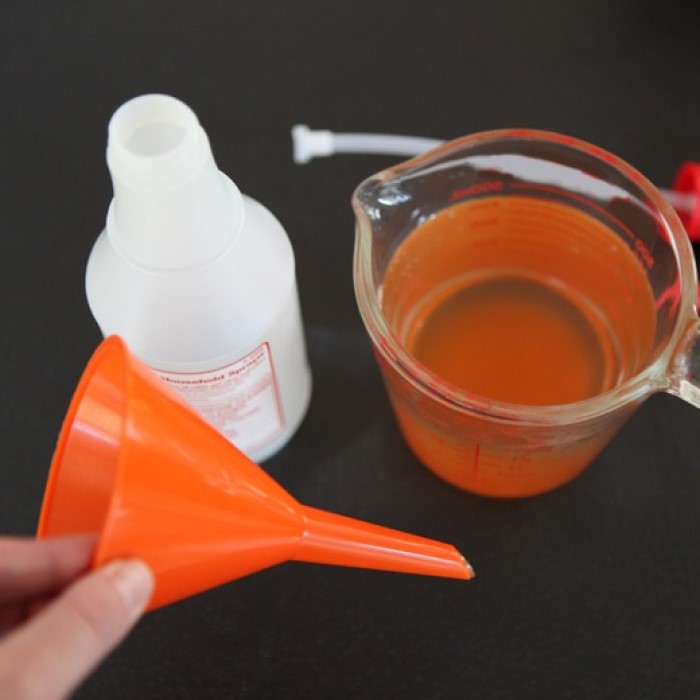
- Transfer to Spray Bottle: Pour the strained mixture into a spray bottle using a funnel to avoid spills.
- Seal and Store: Close the bottle tightly and store it in a cool, dark place.
Important Safety Considerations
Handling Instructions
Avoid Skin and Eye Contact
- Understanding the Risks: When making pepper spray, you are working with concentrated capsaicin, the active ingredient that gives hot peppers their heat. This substance can cause irritation or burning sensations on the skin and in the eyes, so taking precautions is essential.
- Wear Protective Gear: To minimize the risk of skin and eye contact, it is advisable to wear protective gloves and safety goggles while preparing the pepper spray. This barrier will help safeguard your skin and eyes from accidental exposure to the pepper extract.
- Keep Hands Away from Face: Be conscious of your hand placement during the preparation process. Avoid touching your face, particularly your eyes and mouth, until you have properly washed your hands. This practice helps prevent unintentional irritation.
- Immediate Action if Contact Occurs: In the event that you do come into contact with the pepper mixture, it’s important to act quickly:
- Wash Affected Areas: Immediately wash the contacted area with soap and water. Use plenty of soap to cleanse the skin thoroughly and remove any residual capsaicin that may cause further irritation.
- Do Not Rub Your Eyes: If you accidentally touch your eyes, do not rub them. Rubbing can exacerbate the irritation. Instead, flush your eyes with copious amounts of clean, lukewarm water for at least 15 minutes to help alleviate discomfort.
Test the Solution
- Importance of Testing: Before you rely on your homemade pepper spray as a self-defense tool, it is critical to test the solution. Effective testing ensures that the spray will function as intended in a real-world situation and provides an opportunity to make any necessary adjustments.
- Controlled Environment Testing: Conduct the test in a controlled environment where you can safely observe the spray’s performance. Choose a space with good ventilation and minimal obstructions to ensure a safe testing process.
- Assessing Spray Distance and Pattern: During the test, spray the solution at a target from a distance that represents realistic use in self-defense scenarios. Observe how far the spray reaches and whether the spray pattern disperses effectively. This assessment provides valuable insight into how the spray will perform in an actual situation.
- Effectiveness Evaluation: Pay attention to the potency of the spray. Check if it produces the intended irritant response. The solution should spray effectively and show the ability to deter an aggressor. If the spray feels weak or doesn’t perform as expected, you may need to adjust the concentration or ingredients accordingly.
- Safety Precautions During Testing: Ensure that no one is in the vicinity of the test area to avoid accidental exposure.
- Finalizing the Formula: Once you’ve tested the pepper spray, document the results. If the spray meets your expectations for effectiveness and distance, you can consider it ready for personal use. If not, you may need to revisit the ingredients and ratios to create a more effective product.
Legal Implications
- Check Local Laws: Understand that laws regarding the creation and carrying of pepper spray can vary by region. Research local regulations to ensure you remain compliant and avoid legal issues associated with your homemade product.
FAQs
What Are the Ingredients of Pepper Spray?
Pepper spray is primarily made from hot peppers (like cayenne or habanero peppers), vinegar or alcohol as a solvent, and water for dilution. Optional ingredients may include essential oils and dish soap for added effects.
What Type of Peppers Do They Use for Pepper Spray?
Typically, hot peppers such as cayenne or habanero are used due to their high capsaicin content, making them effective for self-defense sprays.
What Spray Can I Use for Self-Defense?
In addition to homemade pepper spray, commercially available options include standard pepper spray formulations designed specifically for self-defense. Always ensure any products meet local legal requirements.

Conclusion
Creating your pepper spray can be an empowering way to take charge of your personal safety. From understanding the ingredients to following the step-by-step guidelines, it’s crucial to keep safety as a priority throughout the process. By learning how to make pepper spray, you not only save on costs but also gain knowledge that can significantly enhance your self-defense preparedness. Remember to store your homemade spray safely and always keep in mind local regulations regarding its use. With the right approach, you can craft an effective self-defense tool that provides peace of mind and enhances your safety.






Leave a Reply