



Easy Ways on How to Clean Washing Machine Filter at Home
Understanding the Vital Role of the Filter
Many homeowners overlook the hidden components of their appliances. We often focus on the exterior cleanliness of our devices. However, the internal parts require equal attention for optimal performance. The washing machine filter plays a crucial role in the laundry process. It acts as a gatekeeper for your appliance’s drainage system. Consequently, it traps loose items before they reach the pump. You might find coins, buttons, or small stones inside it. Furthermore, it catches lint, hair, and fabric fibers. This debris creates a barrier against potential blockages. Without this filter, these items would enter the drain pump. They could cause significant mechanical damage over time. Therefore, understanding its function is the first step.
You must appreciate why this small part matters so much. A clean filter ensures efficient water drainage during the spin cycle. If the filter is clogged, water remains in the drum. This leaves your clothes wet and heavy. Additionally, standing water creates a breeding ground for mold. It produces unpleasant odors that transfer to your laundry. Thus, learning how to clean washing machine filter components is essential. It preserves the longevity of your expensive appliance. It also guarantees hygienically clean clothes for your family. Regular maintenance prevents costly repairs in the future. You can save money and time with simple care.
Recognizing the Warning Signs of a Clogged Filter
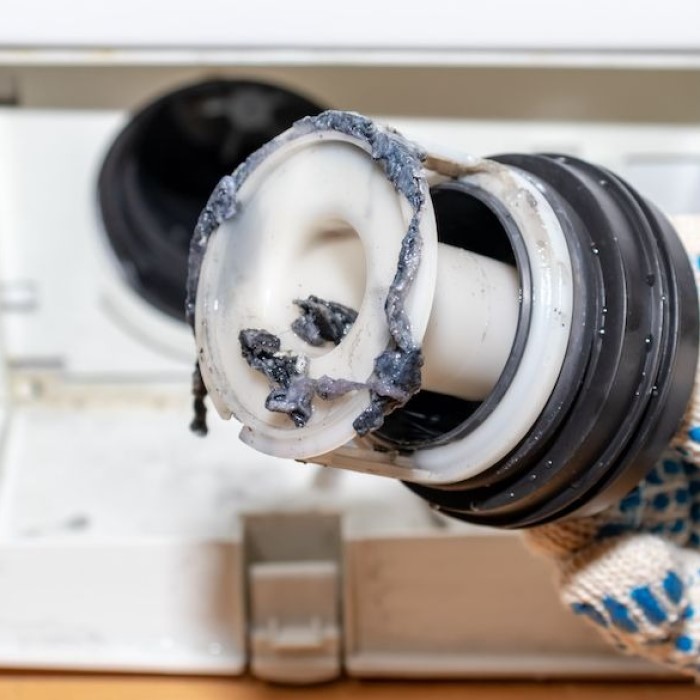
A clogged filter rarely stays silent. It broadcasts specific symptoms throughout the washing process. You must pay close attention to your machine’s behavior. First, observe the drainage speed during a cycle. Does the water drain away slowly? This is the most common indicator of a blockage. The water struggles to pass through the debris. Consequently, the cycle takes much longer than usual. Second, listen to the sound of the machine. A clogged filter puts extra strain on the drain pump. You might hear a humming or buzzing noise.
This sound suggests the pump is working too hard. Alternatively, you might hear a gurgling sound from the drain hose. Third, check your clothes after the wash. Are they wetter than normal? Excessive moisture indicates the spin cycle failed. The machine could not expel the water efficiently. Fourth, your machine might display an error code. Modern models have sensors that detect drainage issues. These codes often point directly to the filter area. Furthermore, bad odors are a significant red flag. Trapped debris rots when left wet for days. It creates a musty smell that affects the entire laundry room. If you notice any of these signs, act immediately. Do not ignore them. Ignoring these warnings leads to pump failure. You can easily avoid this outcome with quick action.
Essential Tools and Safety Preparations
how to clean washing machine filter? Preparation ensures a smooth and mess-free cleaning process. You do not need complex tools for this task. Most items are likely already in your home. First, gather old towels or microfiber cloths. You will place these on the floor around the machine. Water will spill when you open the filter. Therefore, protecting your floor is crucial. Second, find a shallow tray or a low bowl. This container catches the excess water from the filter housing. A baking dish works perfectly for this purpose. Third, locate a pair of needle-nose pliers.
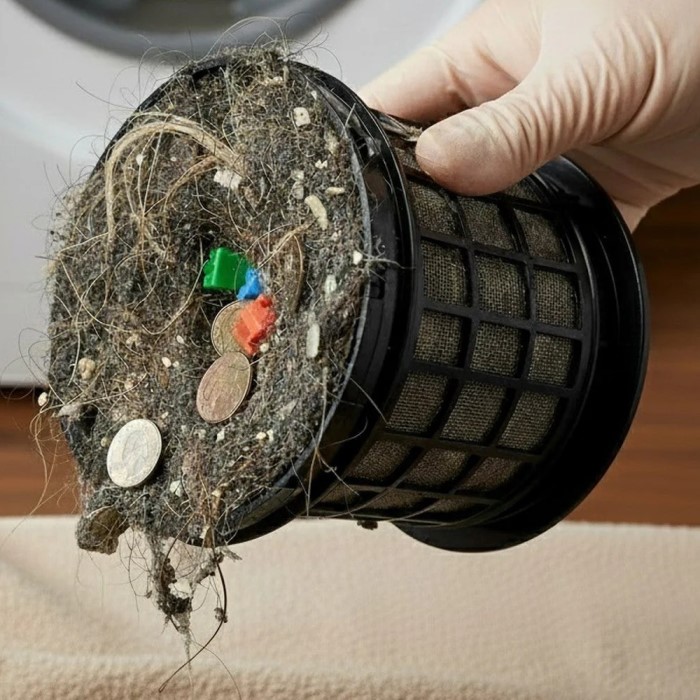
These help remove stubborn debris. Sometimes, small items get stuck deep inside. The pliers allow you to grip them securely. Fourth, prepare a soft brush. An old toothbrush is excellent for scrubbing. It removes slimy residue effectively. Additionally, you need a flashlight. The filter area is often dark and located low to the ground. The light helps you see inside clearly. Before you start, prioritize safety. Always unplug the washing machine from the power outlet. Water and electricity are a dangerous combination. You must eliminate the risk of electric shock. Furthermore, turn off the water supply valves. This prevents any accidental leaks during the process. Once you have gathered these items, you are ready. A prepared workspace makes the job fast and easy. You will feel confident to proceed.
Locating the Filter on Your Machine
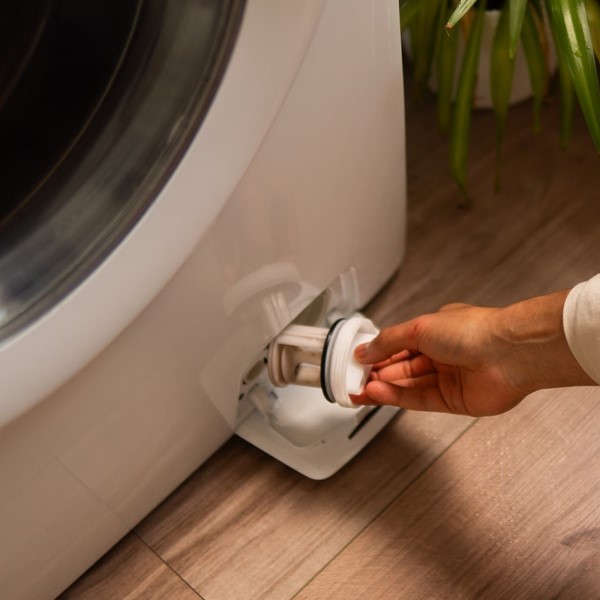
how to clean washing machine filter? Finding the filter is the first practical step. The location varies depending on the machine type. Most front-load washers have a filter. It is typically located at the bottom front of the unit. Look for a small access panel or a kickplate. This panel might be rectangular or square. Some models have a round cover in the lower right corner. To open it, you usually press a release tab. Alternatively, you might need to pry it gently with a flat object. On some machines, the filter is hidden behind the drum. This is common in certain top-load models.
In this case, you must reach inside the drum. Feel around the agitator or the bottom of the drum. However, most modern units favor the front access design. Refer to your owner’s manual if you cannot find it. The manual provides a diagram of your specific model. Once you locate the panel, open it carefully. You will see a round knob or a cylindrical filter unit. This is the drain pump filter. It screws into the pump housing. Identify this part clearly before moving forward. Visual confirmation ensures you are working on the correct component. Do not force any parts if they seem stuck. Gentle handling prevents damage to the plastic latches.
Step-by-Step Draining Procedure
how to clean washing machine filter? You must drain the water before removing the filter. This step prevents a massive flood on your floor. Even if the drum is empty, the filter housing holds water. First, open the access panel completely. You will see the filter knob. Next to it, there is often a small black hose. This is the emergency drain hose. It usually has a cap or plug at the end. Place your shallow tray underneath this hose. Then, pull the cap off the hose. Allow the water to drain into the tray. You may need to empty the tray several times. Continue until the water flow stops. If your machine lacks a drain hose, proceed differently. You must unscrew the filter slightly. Water will rush out immediately. Therefore, use your towels to soak it up. Twist the filter knob slowly counter-clockwise.
Let the water dribble out gradually. Do not pull the filter all the way out yet. Wait until the water level drops significantly. This process requires patience. Rushing this step causes a wet mess. Once the water stops flowing, you can fully remove the filter. This careful draining method protects your flooring. It also makes the subsequent cleaning steps much more pleasant.
Detailed Cleaning Techniques for the Filter
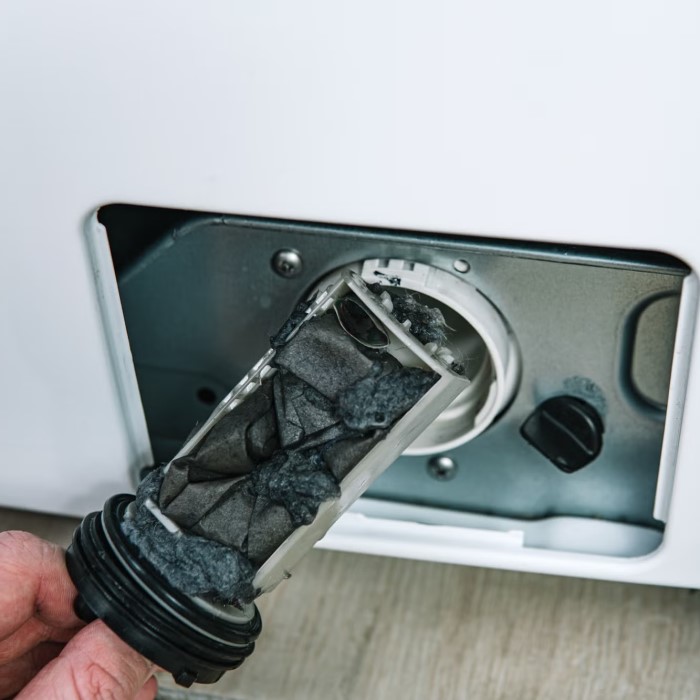
Now you can remove the filter completely. Grasp the knob and turn it counter-clockwise. Pull it gently towards you. The filter unit will slide out of the housing. Inspect it closely. You will likely see a buildup of grime. First, remove any large objects. Coins and buttons are common finds. Discard this debris in the trash. Next, take the filter to a sink. Rinse it under warm running water. Use your toothbrush to scrub away the slimy film. This film is often a mix of detergent and fabric softener. It traps odors and reduces efficiency.
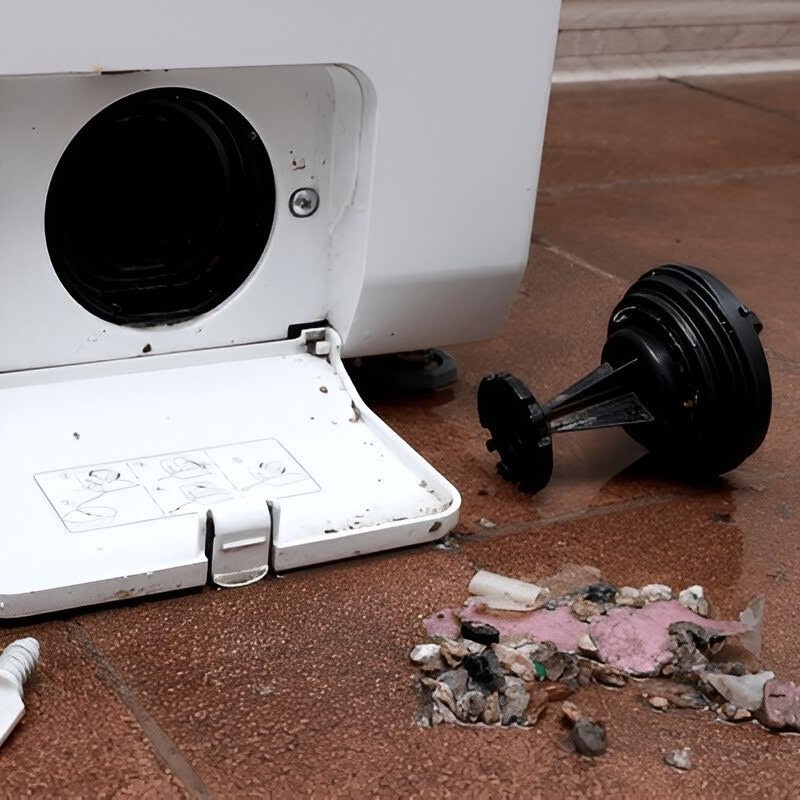
Therefore, scrub every surface thoroughly. Pay attention to the threads of the filter. They must be clean to create a tight seal later. Furthermore, clean the inside of the filter housing. Shine your flashlight into the hole. You might see debris inside the pump impeller. Use your pliers to pull out any obstructions. The impeller blades should spin freely. Gently rotate them with your finger. Ensure they are not jammed. Once everything is clean, rinse the filter one last time. Check for any cracks or damage. A damaged filter needs replacement. However, a good cleaning usually solves the problem. The part will look almost new after a thorough scrub.
Reassembling and Testing the Appliance
After cleaning, you must reassemble the unit correctly. Proper reassembly ensures a watertight seal. First, insert the filter back into the housing. Align the threads carefully. Turn the knob clockwise to tighten it. Do not overtighten. It should be snug, but not impossible to turn later. If you force it, you risk cracking the plastic. Next, replace the cap on the emergency drain hose. Ensure it fits securely. Then, close the access panel. It should click into place. Now, restore power to the machine. Plug it back into the outlet.
Also, turn the water supply valves back on. You should perform a quick test cycle. Run a rinse and spin cycle with no laundry. Watch the area around the filter closely. Check for any signs of leaking. If you see water dripping, turn off the machine. You may need to tighten the filter slightly more. If the seal is damaged, you will need a new gasket. However, most leaks stop after proper tightening. Listen to the machine during the drain phase. It should sound smooth and strong. The water should drain rapidly. This confirms your success. You have completed the task effectively.
Establishing a Regular Maintenance Schedule
Cleaning the filter once is not enough. You must make this a regular habit. Consistency prevents future clogs and odors. But how often should you clean it? The frequency depends on your laundry habits. For an average family, cleaning every four months is ideal. However, heavy usage requires more frequent attention. If you wash daily, check the filter monthly. Furthermore, certain items produce more debris. Bath mats and fluffy blankets shed many fibers. If you wash these often, check the filter frequently.
Additionally, pet owners should inspect the filter often. Pet hair creates stubborn blockages quickly. You can create a reminder on your phone. Set a recurring alert for every few months. This ensures you never forget. Regular cleaning also takes less time. A quick rinse is easier than removing a hardened blockage. Therefore, consistency saves effort in the long run. Make this part of your household routine. It keeps your machine running at peak performance. It also extends the life of your appliance significantly. A well-maintained machine serves you better.
FAQ
Do I really need to clean my washing machine filter?
Yes, you absolutely need to clean the filter. It traps debris that can clog the drain pump. A clean filter prevents water drainage issues. It also stops bad odors from developing inside the machine.
How do you know if your washing machine filter is blocked?
You will notice several clear signs. The machine may drain water slowly. It might leave your clothes soaking wet after the spin cycle. You may also hear a humming noise from the pump. Error codes related to drainage often appear on the display.
How often should you clean the washing machine filter?
Most manufacturers recommend cleaning the filter every three to four months. However, you should do it more often if you wash items that shed frequently. Pet owners should also clean it monthly to remove trapped hair.
Conclusion
Your washing machine works hard for your family. It deserves proper care in return. Learning how to clean washing machine filter components is a skill that pays dividends. It prevents frustrating breakdowns and expensive repairs. Furthermore, it ensures your laundry remains fresh and clean. The process is simple and requires few tools. You just need a little time and patience. By following these steps, you protect your investment. You also improve the hygiene of your home. Do not wait for the warning signs to appear. Make filter cleaning a part of your regular schedule today. Your machine will thank you with years of reliable service. Start your maintenance routine now.
Leave a Reply